
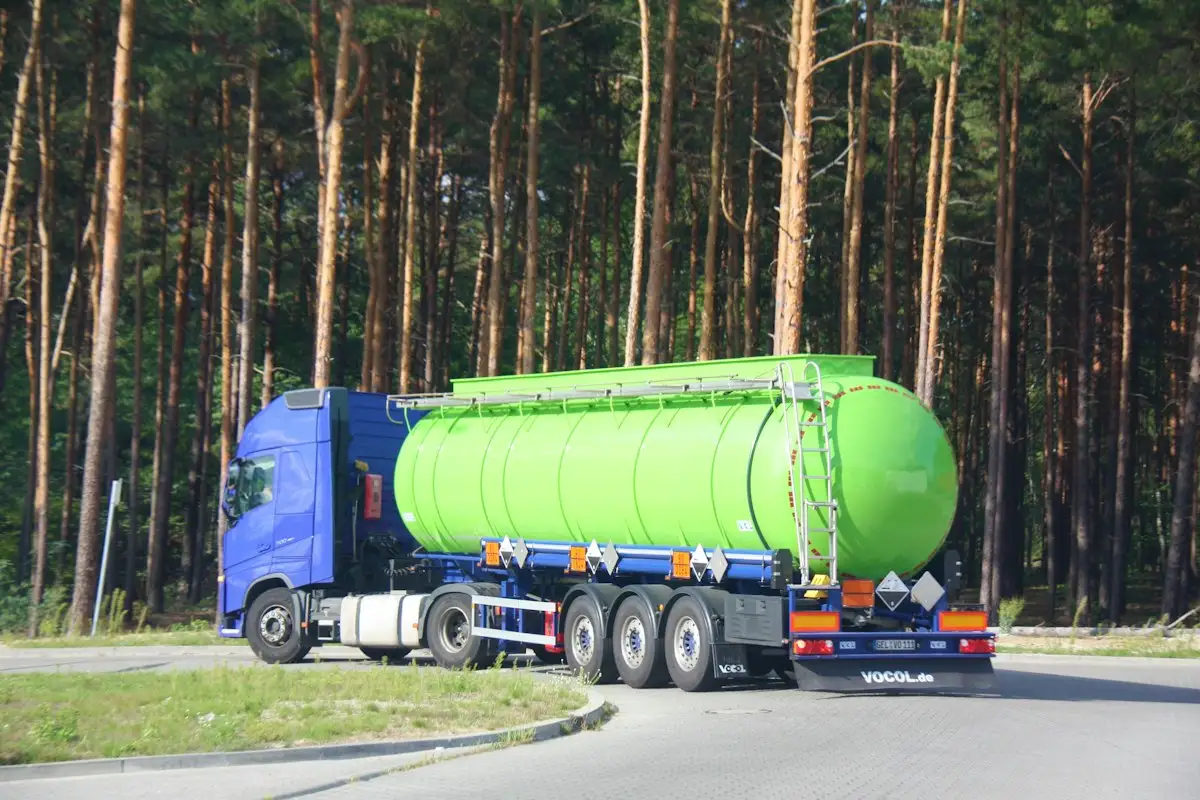
Egypt's Waste Management Regulation Law No. 202 of 2020 did something more consequential than set new limits. It created a regulator — the Waste Management Regulatory Authority, WAMRA — and with it a licensing regime that attaches to the handler, not only to the generator.
The practical effect is a shift in what compliance looks like. It used to be a question about outcome: was the waste disposed of properly? It is now a question about evidence: can you produce the chain of custody?
What changes for a generator
If your site produces used lubricating oil, spent solvents, oily sludge or industrial by-products, three things now sit inside your responsibility rather than your contractor's:
- Verifying the licence, not the invoice. Engaging an unlicensed handler is a compliance exposure for the generator. The licence number, its scope and its expiry belong in your supplier file.
- Documented transfer. Quantity, date, receiving facility and a signature on both sides. A weighbridge ticket alone is not a chain of custody.
- Knowing the destination. "Collected" is not a destination. Recovery, re-refining, co-processing and disposal are different outcomes with different regulatory weight — and increasingly different value to your own reporting.
Why this converges with the commercial case
The interesting part is that the compliance requirement and the commercial opportunity have started pointing the same way. Used oil sent to a licensed re-refiner is not a disposal cost line — it is a recoverable material with a market price, and the paperwork that proves it was handled correctly is the same paperwork that proves it was recovered rather than burned or dumped.
The same logic reaches further than oil. Agricultural residue that used to be burned in the field is a fuel with a calorific value. Furnace slag a steel plant has to manage is a binder the cement industry wants. In each case the regulatory pressure and the material's value push in the same direction.
What to ask a handler for
- A current WAMRA licence covering the specific waste stream you generate — not a general one.
- Transport documentation issued per collection, not reconciled monthly.
- A stated recovery route, and a facility you can visit.
- Annual tonnage recovered, in a form you can put into your own environmental reporting.
The direction of travel
Regulation in this area rarely loosens. Reporting obligations widen, thresholds fall, and the documentary burden moves upstream toward whoever generated the material. Sites that build the paperwork now are doing it once; sites that wait will do it retroactively, which is considerably harder.
This article summarises the direction of the framework for planning purposes. It is not legal advice — confirm your specific obligations with WAMRA or your legal counsel.